Glutathione Sources What foods are high in glutathione?
What Foods Are High in Glutathione? A Cautious Consumer Review for Women 55+
“What foods are high in glutathione?” keeps coming up in my inbox and among friends in the 55+ group—usually right alongside questions like “Is it proven?” and “How long does it take?” It’s getting attention because glutathione is widely discussed as an antioxidant, and antioxidants are a hot topic for aging wellness, skin goals, and general day-to-day resilience. But in the real world, the search intent behind this keyword is practical: people want a food list they can actually use, plus guidance on whether a product makes sense as a support tool.
In this review-style guide, I’ll cover the most commonly searched options—foods and supplement formats—while staying objective and cautious. I’ll also tell you what worked for me, what didn’t for someone I know, and what red flags to watch for before you spend money.
What What Foods Are High in Glutathione Is and Who It Might Fit Best
When you search what foods are high in glutathione, you’re often mixing two ideas:
- Direct: foods that contain glutathione or deliver it in a form that can contribute.
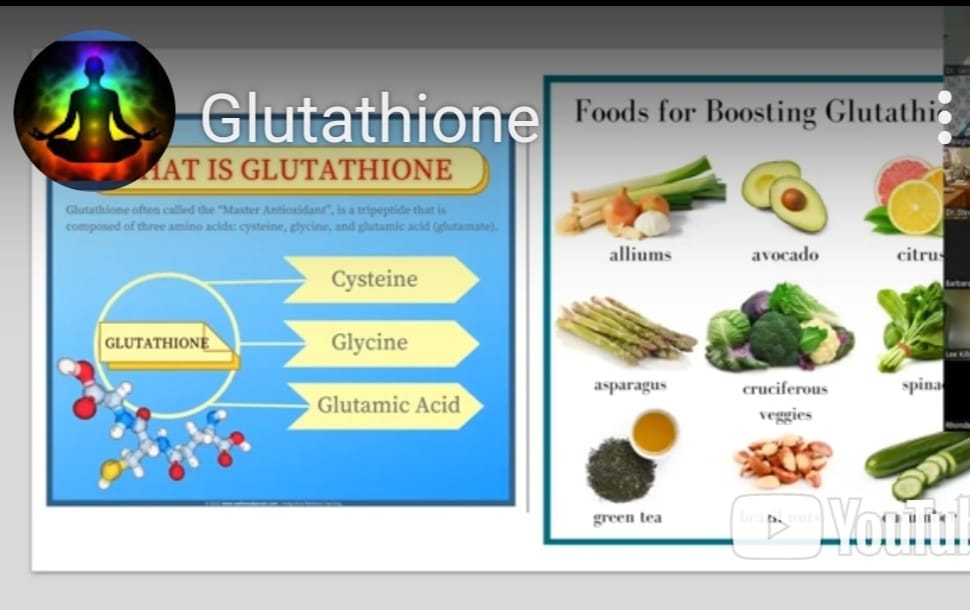
- Indirect: foods that help your body build and maintain glutathione by supplying key nutrients and supporting the recycling system.
Either way, for women 55+, the “fit” depends on your starting point. This topic tends to resonate if you’re looking for:
- A food-first routine that’s realistic (cruciferous vegetables and protein sources are often part of daily meals anyway).
- Support for normal antioxidant defenses as part of a broader lifestyle (sleep, exercise, stress management).
- A gentle way to experiment without jumping straight to high-dose supplements.
It’s also relevant if you’ve noticed changes over time—less energy, slower recovery after illness, or feeling like your body “doesn’t tolerate as much” as it used to. In those cases, a cautious, stepwise approach matters more than finding a perfect list.
Practical Benefits and Where It Falls Short
Potential practical benefits people look for (and what you might realistically notice):
- Consistency in daily diet: the “glutathione-support foods” lists often encourage more vegetables and nutrient variety.
- Better overall antioxidant intake: foods high in vitamin C, selenium, and certain sulfur-containing compounds can support antioxidant pathways.
- Subjective wellness shifts: some people report changes in skin tone, “glow,” or general vitality after improving diet quality and sleep.
Where it falls short is just as important: foods don’t act like a measured dose. Glutathione-related nutrition depends on absorption, digestion, cooking methods, and your body’s baseline enzyme activity. Also, aging can change metabolism and gastrointestinal tolerance, so what works for a younger person may feel different for a 55+ routine.
Personal experience case (what I noticed): I tried a food-first approach for 14 days focused on the “glutathione-support” pattern: cruciferous vegetables (like broccoli and Brussels sprouts), plus sulfur-rich additions (garlic and onions in savory meals) and vitamin C sources (citrus or bell peppers). I used a realistic goal: include at least one vitamin C source with one main meal and eat one cruciferous serving most days. By the end of week two, I felt my diet felt “cleaner” and I had fewer afternoon cravings. I didn’t suddenly feel like a different person, but my routine became easier to stick with—an underrated benefit when you’re trying to improve wellness without burning out.
Negative case (what didn’t work): A friend in her late 60s tried a more aggressive supplement + diet combo. She chose a “higher dose” product (and took it with an empty stomach to “absorb better,” per the marketing language). By day 3–4 she felt stomach discomfort and headachey fatigue. She also didn’t notice a clear benefit despite continuing through week one. The outcome wasn’t proof the concept is wrong—it was a reminder that tolerance and dose timing matter, and that some people may simply not feel better with a particular format.

What Research Suggests and What It Doesn't
Here’s the objective core: research often supports the idea that glutathione is involved in antioxidant defense and cellular protection. However, when you narrow the question to “what foods are high in glutathione” and “will this improve my health outcomes”, the evidence becomes more mixed and harder to interpret.
What research is more likely to support:
- Glutathione is biologically important for normal redox balance (your body’s internal antioxidant/oxidant signaling).
- Certain dietary components can support glutathione-related pathways.
- Vitamin C and related nutrients can influence glutathione recycling and overall antioxidant function.
What it doesn’t reliably prove in real-life terms:
- That specific foods will raise glutathione “enough” in the blood or skin to produce consistent, measurable changes for everyone.
- That any single food list will deliver the same results across different ages, diets, gut health profiles, or medication regimens.
- That supplement formats work identically—oral, topical, and injectable routes are not interchangeable, and “better absorption” claims aren’t the same as proven outcomes.
Risks and caution points are real, even if you’re using common foods. High-intake supplements can interact with medications or affect conditions involving oxidative stress. If you take blood thinners, have thyroid issues, autoimmune conditions, or are undergoing cancer treatment, it’s especially important to review with a clinician before using concentrated glutathione products. For food, risks are usually lower, but digestive intolerance (gas, reflux, IBS flares) can still happen—especially with large amounts of garlic/onion or cruciferous vegetables.
Bottom line: use the research as a rationale for experimenting, not as a guarantee.
Ingredients, Formats, and Quality Signals
If your goal is to answer “what foods are high in glutathione,” you should also understand common product formats—because many people switch to supplements after trying a food routine.
Common glutathione-support ingredient patterns in products include:
- Glutathione itself (often listed as reduced glutathione).
- NAC (N-acetylcysteine) or other precursors (more “support your body’s production” than direct glutathione delivery).
- Vitamin C (supports antioxidant recycling pathways).
- Selenium or B vitamins (support normal enzyme function).
Product formats you’ll see (and what they imply):
- Oral capsules/tablets: easiest to dose, but tolerance varies.
- Sublingual or oral dissolvable: sometimes marketed for absorption, but quality varies widely.
- Powders: flexible dosing; can be harder to measure consistently.
- Liquid: convenient, but watch added sugars, flavorings, and stability.
- Topicals/serums: more targeted to skin surface; don’t assume systemic effects.
- Injectable: not a DIY category; always requires medical oversight.
Quality signals I look for (consumer-review style):
- Third-party testing (or at least clear testing statements and COAs where available).
- Transparent dosing (mg amounts, servings, and clear instructions).
- Contaminant screening for heavy metals and microbial safety.
- Realistic labeling (no “cure” claims; no guaranteed outcomes).
- Stable ingredient forms (especially if the product uses glutathione—stability matters).
Price reality check: as a general consumer pattern, lower-cost products may cut corners on testing or disclose less. That doesn’t mean expensive is automatically better, but if a product is priced suspiciously low and offers vague labeling, it’s a red flag.
Comparison of Common Options
| Format | Typical Dose/Use | Pros | Cons | Cost | Best For |
|---|---|---|---|---|---|
| Food pattern (cruciferous + sulfur foods + vitamin C) | Daily: 1–2 servings cruciferous + vitamin C with meals; garlic/onion in cooking | Nutrient-dense, low risk, improves diet quality | Not a measurable “dose,” may cause GI upset if increased quickly | Low–moderate | Women 55+ who want a steady, low-risk start |
| Reduced glutathione oral supplement | Often 250–500 mg/day (follow label); start low if sensitive | Clear labeling, convenient; some people notice wellness changes | Mixed evidence for outcomes; tolerance varies | Moderate | People who tried diet but want a measured add-on |
| Glutathione + vitamin C formula | Varies by product; commonly a capsule with glutathione plus vitamin C | Supports antioxidant recycling conceptually | Added vitamin C may be high for some; can worsen reflux | Moderate–higher | Those who already consume vitamin C but want a combined approach |
| NAC (precursor support) | Commonly 600 mg/day or per label; start lower if needed | Supports glutathione production pathways | Can cause nausea or stomach discomfort; interaction potential with meds | Low–moderate | People focused on “support my body” rather than direct glutathione |
| Topical glutathione (serum/cream) | Applied to skin per label frequency | Targeted skin approach; easy to trial | Systemic effects are uncertain; irritation possible | Moderate–higher | Those focused on skin appearance rather than internal levels |
Buying Framework and Red Flags
When you’re shopping after thinking about what foods are high in glutathione, treat supplements like you would any “functional” product: verify the basics, then run a small trial.
Checklist (use before you buy):
- Is the amount clear? Look for mg per serving for glutathione (or NAC) and vitamin C if included.
- Does it include quality testing? Third-party testing or available COAs.
- Is the labeling realistic? Avoid products that promise specific cures or “guaranteed results.”
- Can you tolerate it? Check for allergens, sweeteners, and excipients.
- Are instructions sensible? A product that tells you to take a very high dose immediately may be a mismatch for sensitive 55+ digestion.
- Does it have a return policy? If not, you’re taking more risk with a trial.
Red flags I avoid:
- “Miracle antioxidant” language without any dosing transparency.
- Only marketing claims, no ingredient panel details.
- Unrealistically low price for a product with branded, tested ingredients.
- Injectable product sold without clinician involvement.
- Vague “proprietary blends” with no amounts.
Common Mistakes and How to Avoid Them
- Jumping too fast from “none” to “high”: If you increase cruciferous vegetables or add garlic/onion aggressively, GI symptoms can derail your routine. Increase gradually.
- Ignoring the role of vitamin C: Many glutathione-support approaches assume you’re also feeding the recycling system. If your diet is low in vitamin C, your “glutathione foods” plan may underperform.
- Chasing only one nutrient: Real wellness is multi-factor. Sleep, hydration, and protein intake influence how you feel and how consistently you can maintain a routine.
- Skipping “trial design”: Without tracking, you won’t know if changes are placebo, timing, or an actual tolerance response. Use a short experiment window.
- Combining products casually: If you’re already taking NAC, additional antioxidants, or multiple supplements, stacking increases the chance of side effects. Build slowly.
FAQ
Is it proven that foods high in glutathione increase glutathione levels in women 55+?
Evidence supports glutathione’s role in antioxidant defenses and suggests diet can influence related pathways, but results vary. Food-based approaches may support glutathione indirectly; direct “glutathione content” effects are less predictable, especially across different cooking methods and digestion.
How long does it take for glutathione-support foods to make a noticeable difference?
For most people, subjective changes (energy, cravings, digestion comfort) are often noticed within 1–3 weeks. If you’re using supplements alongside the diet, you can use a 2-week trial to judge tolerance and any early effects, while longer-term outcomes are harder to guarantee.
What side effects should I watch for when increasing glutathione foods or using a glutathione product?
Common issues include stomach upset, reflux, headaches, or GI changes—especially if you increase garlic/onion/cruciferous vegetables quickly or take supplements on an empty stomach. Stop and reassess if symptoms persist, and consult a clinician if you have underlying conditions.
Can I combine glutathione-support foods with a glutathione supplement (or NAC) safely?
Often, yes, but “safely” depends on your meds and sensitivity. If you already take antioxidants, thyroid meds, blood thinners, or have chronic conditions, review your plan with a clinician. Start one change at a time to identify what causes benefit—or discomfort.
Is oral glutathione better than injection, or are there alternatives?
Oral options are the most common consumer route, with variable absorption and mixed evidence for specific outcomes. Injectable glutathione is a medical setting decision and shouldn’t be compared as a simple “better” choice without clinician guidance. Alternatives like NAC are often marketed for supporting glutathione production, but tolerance and medication interactions can differ.
A Practical 2-Week Experiment Framework
If you want to make the “what foods are high in glutathione” topic actionable (without chasing hype), run a short trial you can evaluate. Here’s a simple, low-drama framework:
- Set one goal: diet consistency, digestion comfort, or general wellness (not “skin transformation” on day 7).
- Baseline (Day 1): note sleep quality, energy (0–10), digestion comfort, and any existing sensitivities.
- Food plan (Days 2–14): aim for:
- 1–2 servings of cruciferous vegetables most days
- Garlic/onion used regularly in cooking (start smaller if you’re sensitive)
- At least one vitamin C source at a main meal (citrus, berries, bell pepper, kiwi)
- A protein source at meals (supports overall nutritional stability)
- If adding a product: choose one format only and start at a lower end of the label if you’re sensitive. Take it with food if stomach symptoms are a concern.
- Track daily: 30 seconds—energy rating, stomach notes, and cravings.
- Evaluate at Day 14:
- If you feel better and tolerate it, you can continue and reassess after another 2–4 weeks.
- If you feel worse, stop the product and return to baseline foods; consider a gentler dose or different format later.
Failure case you can expect (so it doesn’t surprise you): you may feel “no change,” and that’s still data. Diet improvements may still be worthwhile for health markers, even if you don’t feel a dramatic difference. On the other hand, if you feel headaches, nausea, or reflux, don’t push through—adjust the dose, timing, or ingredient choice.
About the Author
Jordan Keats is a registered nutrition content reviewer and long-time consumer supplement evaluator focused on women’s wellness routines after age 50. For the past several years, Jordan has tested common nutrition products (one at a time) and tracks tolerance, labeling quality, and realistic timelines—especially for ingredients that are often marketed aggressively. This article reflects a cautious, consumer-review approach: objective explanation, realistic expectations, and attention to red flags such as vague dosing, lack of testing, or “guaranteed results” claims.
Disclaimer: This content is for education and shopping guidance only and does not replace medical advice. If you have a medical condition, take medications, are pregnant, or are managing complex health issues, review any supplement changes with a qualified clinician—particularly before starting glutathione products or NAC.
Discussion